
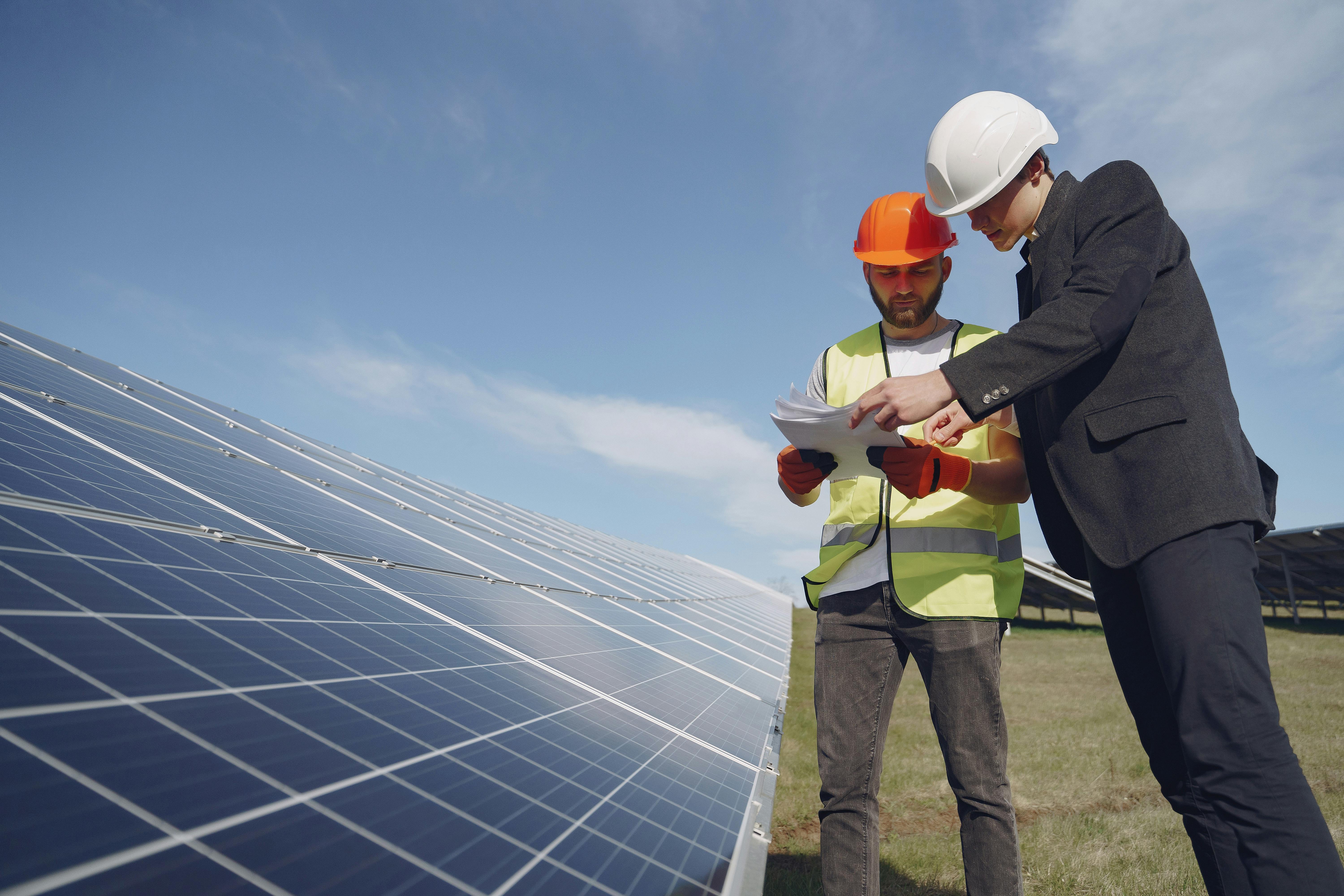
As utility-scale solar projects grow larger and more complex, Engineering, Procurement, and Construction (EPC) firms are placing greater emphasis on long-term reliability, supply chain stability, and lifecycle performance when selecting component vendors.
For outdoor electrical enclosures, the stakes are especially high. Failures caused by corrosion, UV degradation, water ingress, or poor field durability can lead to costly downtime, warranty claims, and expensive maintenance over the lifespan of a solar installation.
That’s why many leading solar EPC contractors increasingly favor high-performance non-metallic enclosure solutions designed specifically for harsh outdoor environments.
The Growing Demands of Utility-Scale Solar Projects
Modern solar farms are expected to operate reliably for 20–30 years in some of the world’s harshest environments, including:
- Desert heat
- Coastal salt exposure
- High humidity
- Heavy UV exposure
- Dust and washdown conditions
- Extreme thermal cycling
In these conditions, enclosure performance becomes critical to protecting:
- Monitoring systems
- Combiner boxes
- Disconnects
- Communications equipment
- Control systems
- Energy storage infrastructure
Even minor enclosure failures can result in significant operational and financial consequences.
Because of this, EPC procurement teams increasingly evaluate vendors based on:
- Proven field reliability
- Environmental durability
- Product consistency
- Engineering support
- Customization capabilities
- Supply chain reliability
- Total lifecycle cost
Why Non-Metallic Enclosures Are Gaining Attention in Solar
Traditional metal enclosures can present long-term challenges in outdoor renewable energy environments, particularly when corrosion protection is compromised over time.
High-quality polycarbonate enclosures offer several advantages for utility-scale solar applications.
Corrosion Resistance
Non-metallic enclosures eliminate many corrosion concerns associated with steel or aluminum alternatives.
This is especially important for:
- Coastal installations
- Agricultural environments
- Chemical exposure areas
- Humid climates
- Remote sites with limited maintenance access
Reducing corrosion risk helps minimize maintenance costs and extend equipment life.
UV and Weather Durability
Solar installations face constant exposure to:
- Intense sunlight
- Temperature swings
- Rain and moisture
- Windblown debris
UV-resistant polycarbonate enclosures are designed to maintain structural integrity and performance over decades of outdoor exposure.
This long-term durability supports the operational goals of utility-scale asset owners and EPC contractors alike.
Lightweight Design Improves Installation Efficiency
Large solar projects often involve thousands of enclosure installations across expansive sites.
Lightweight enclosure systems help reduce:
- Shipping costs
- Installation labor
- Mounting complexity
- Field handling challenges
Faster installation can significantly improve project timelines and labor efficiency.
Customization Matters for Solar EPC Firms
Utility-scale projects frequently require customized enclosure solutions for:
- Cable entry configurations
- Pre-installed accessories
- CNC machining
- Monitoring equipment integration
- Site-specific electrical layouts
EPC contractors increasingly prefer vendors capable of supporting these customization requirements quickly and consistently.
A streamlined customization process helps reduce:
- Field modifications
- Installation delays
- Procurement complexity
- Rework costs
Supply Chain Reliability Is Now a Major Procurement Priority
Over the past several years, supply chain disruptions have become a major concern throughout the renewable energy industry.
Today, EPC firms evaluate suppliers not only on product quality, but also on:
- Manufacturing consistency
- Delivery reliability
- Inventory availability
- Global support capabilities
- Long-term vendor stability
Reliable enclosure partners help EPC firms reduce project risk and maintain aggressive construction schedules.
Total Cost of Ownership Is More Important Than Lowest Initial Price
In utility-scale solar, the lowest upfront component cost does not always deliver the lowest long-term operational cost.
Procurement teams increasingly focus on total cost of ownership, including:
- Maintenance requirements
- Replacement frequency
- Downtime risk
- Installation efficiency
- Long-term durability
High-performance enclosure systems can help reduce operational expenses throughout the life of a solar asset.
The Future of Solar Infrastructure Demands Higher Standards
As renewable energy infrastructure continues to expand, EPC firms are raising expectations for every component supplier involved in utility-scale projects.
Outdoor enclosure systems must now deliver:
- Long-term environmental protection
- Reliable field performance
- Faster deployment
- Reduced maintenance
- Greater operational efficiency
For solar developers and EPC contractors focused on reliability, durability, and lifecycle value, selecting the right enclosure partner has become a critical part of long-term project success.